
If you’ve been newly diagnosed with ADHD in midlife — or wonder whether you should be — it’s worth pausing first. The surge in “adult ADHD” diagnoses among perimenopausal women is real, but in many cases what looks like a lifelong attention disorder is actually your brain chemistry colliding with falling hormones. Understanding the neuroscience helps you make a far better decision about what to do next.
What’s actually happening in the midlife brain
Focus, working memory, and impulse control are governed by your prefrontal cortex, and that region depends heavily on two neurotransmitters: dopamine and norepinephrine. Estrogen directly boosts and modulates both. So as estrogen becomes erratic and declines, dopamine and norepinephrine signaling can drop and destabilize — and the symptoms that follow (distractibility, forgetfulness, disorganization, emotional overwhelm) look strikingly like ADHD, because they involve the very same circuitry.
Your genes set the stage: the SNPs behind the imbalance
Here is where it gets personal. Many women carry common gene variations (SNPs) that influence how they make and break down neurotransmitters — and these can stay quiet for decades, then surface in perimenopause. A few that matter most:
COMT — this gene controls how quickly you clear dopamine (and estrogen) from the brain. “Fast” and “slow” variants sit at opposite ends: slow COMT can mean a busy, anxious, easily-overloaded mind, while fast COMT can mean low baseline dopamine and trouble with focus and motivation. Estrogen influences COMT activity, so when estrogen shifts, so does your dopamine balance.
MTHFR — this gene affects methylation, the biochemical process your body uses to make and regulate neurotransmitters (and to use folate and B12). Common variants can leave you less able to produce steady levels of dopamine, serotonin, and norepinephrine, especially under stress.
MAO-A and others — these further shape how quickly neurotransmitters are broken down, tuning mood, focus, and impulsivity.
How falling estrogen tips the balance
Put these together and the picture becomes clear. Estrogen normally props up dopamine and serotonin and helps buffer these genetic tendencies. As estrogen falls in perimenopause, that support is withdrawn — and a neurotransmitter imbalance that your genes always leaned toward, but that estrogen kept in check, can suddenly become symptomatic. This is why so many women feel that their focus and emotional steadiness “fell off a cliff” in their forties. It isn’t that you developed ADHD overnight; it’s that the hormonal buffer came down and revealed the underlying wiring.
Why stimulants aren’t the automatic answer
Stimulant medication can help some women, and it has a place. But prescribed reflexively, it can mask a hormonal and biochemical picture that would respond to more targeted care — and it doesn’t address the root imbalance. For women in perimenopause, it should never be the first and only move without a proper look at hormones, methylation, and nutrient status.
The functional approach
Instead of only quieting the symptom, we ask why the circuitry is struggling now. That means assessing hormones, relevant SNPs and methylation, and the nutrients neurotransmitter production depends on (B vitamins including methylated folate and B12, magnesium, omega-3s, and more) — then supporting the whole system: balancing hormones where appropriate, replenishing the raw materials, and calming the nervous system. Focus is downstream of biochemistry, and biochemistry can be supported.
Steadying focus without stimulants: BrainTap
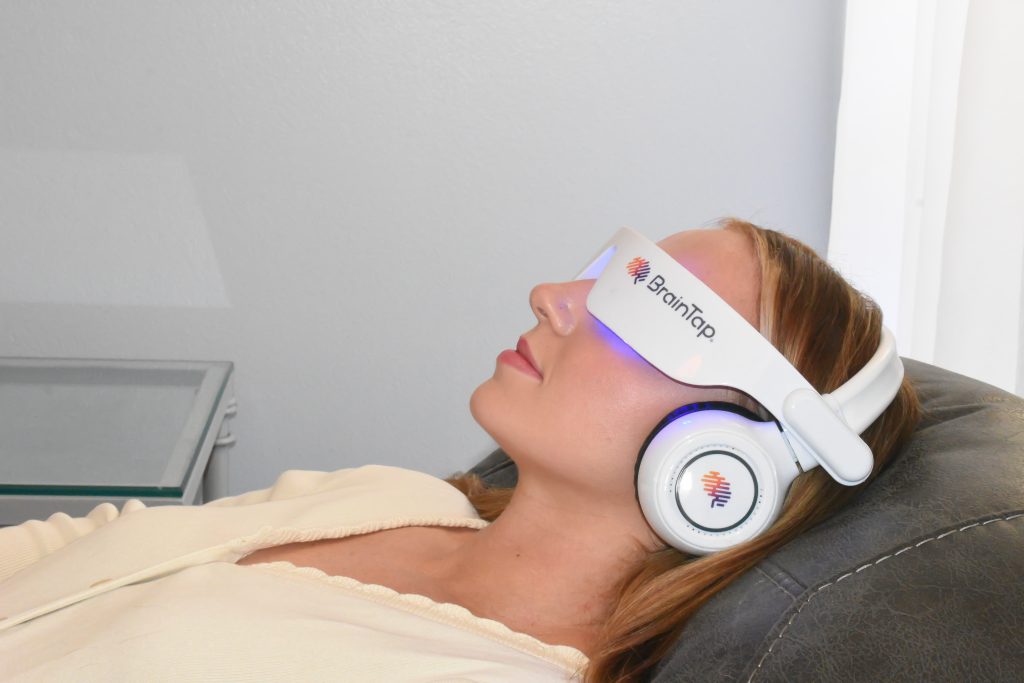
One tool I use personally and recommend for exactly this is BrainTap. Its guided light-and-sound sessions help shift the brain out of the scattered, over-stimulated state and into calmer, more focused rhythms, while supporting the nervous system and neuroplasticity. For a dopamine-depleted, overwhelmed midlife brain, a daily session can support the focus and calm that stimulants force — but gently, and as part of addressing the root cause.
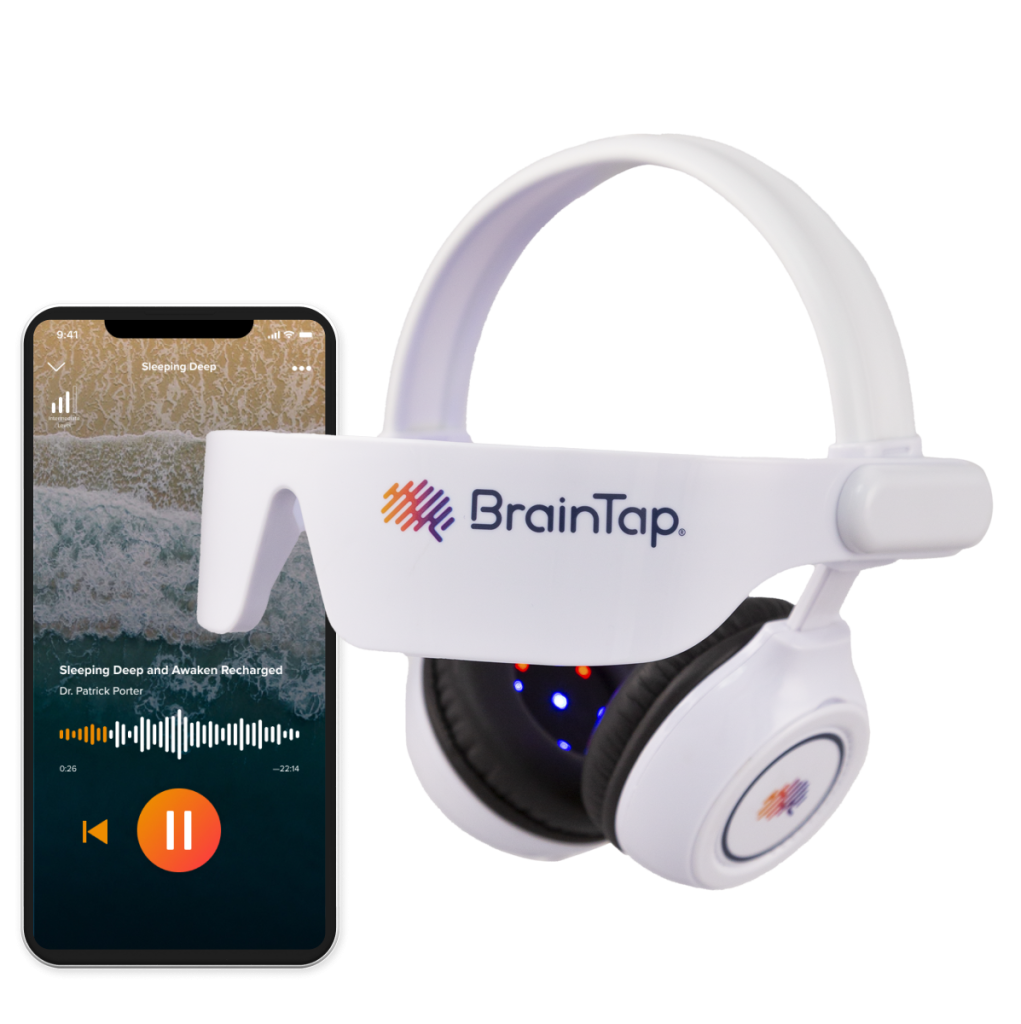
for $100 off the power bundle [headset and yearly subscription] , use this link:
For a 30-day free trial of the app, which can also be used without the headset. Use this link:
Working with Dr. Enzmann
Before accepting a new diagnosis and a prescription, it’s worth understanding the full picture. A discovery call is where we start to map yours.
By Dr. Christina Enzmann, MD, PhD — board-certified gynecologist and certified menopause practitioner.
This article is for general education and is not individual medical advice. Always discuss your own situation with a qualified clinician.